
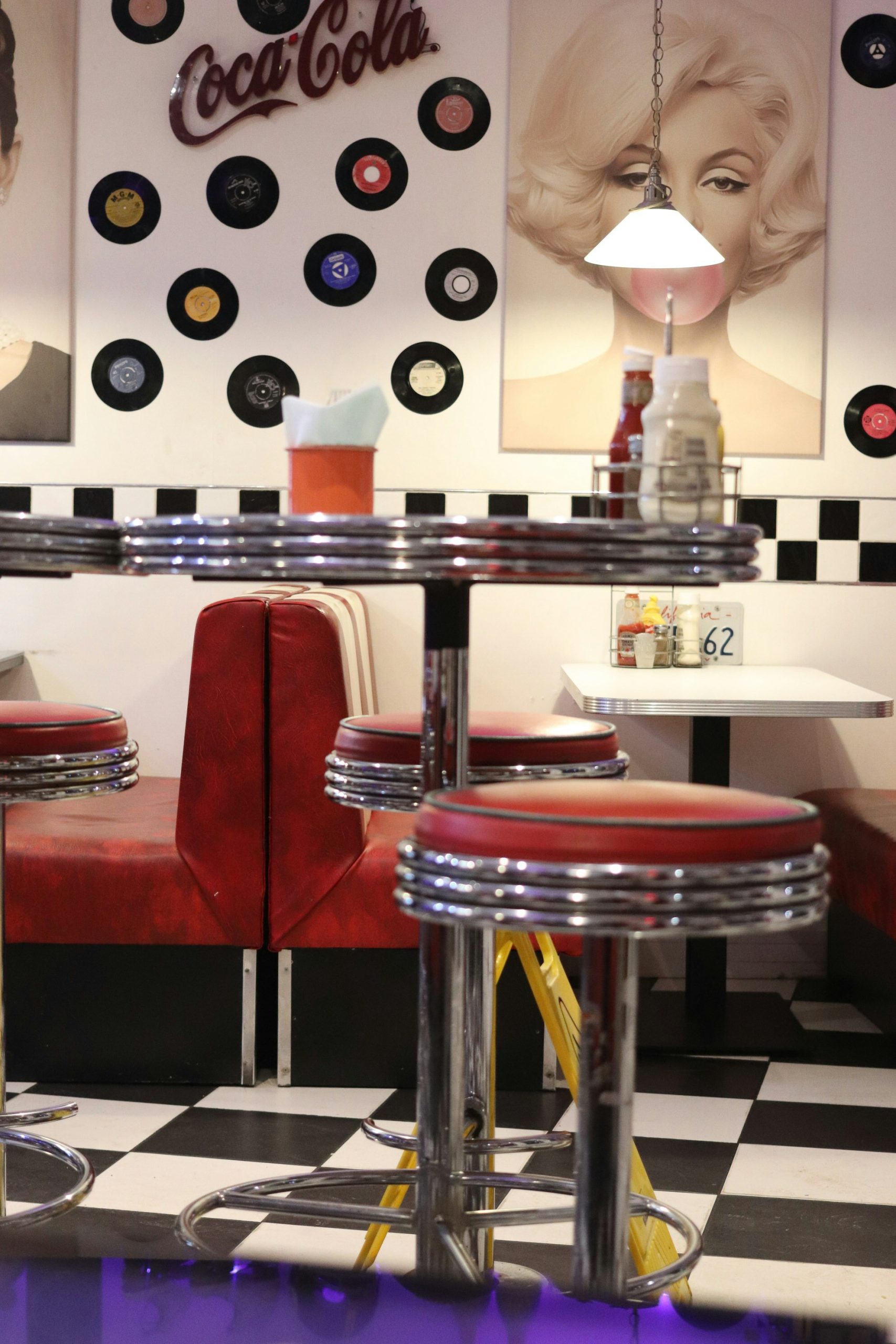
There is something instantly familiar about sliding into restaurant booths. The soft bench, the high back, the table tucked neatly between two people facing each other, it feels like a scene you have already lived. For decades, sitcom sets have featured booths as the unofficial headquarters for friendships, breakups, celebrations, and late-night confessions.
Television helped shape how we see dining spaces. From cozy diners to stylish urban cafés, the booth became more than furniture. It became a symbol of connection. Today, restaurant booths still carry that emotional weight, both in commercial spaces and in homes inspired by hospitality design.
The Sitcom Effect: How TV Made Booths Iconic
Think about how often your favorite characters gathered around a booth. It was rarely random. Producers chose booths because they create intimacy, visual symmetry, and strong emotional framing.
In shows like Friends, the café couch and seating layout created a sense of belonging. In Seinfeld, diner booths became a recurring stage for everyday humor. Even classic American diners, like Tom’s Restaurant, became pop culture landmarks because of how booths framed conversation.
Booths work on camera because they naturally:
- Keep characters facing each other, which strengthens dialogue scenes
- Frame actors at similar height levels, creating visual balance
- Provide a semi-private environment while still feeling social
That same psychological effect carries into real restaurants. People gravitate toward booths because they mirror what we associate with comfort and friendship on screen.
Privacy Without Isolation
Unlike standard restaurant chairs placed around open tables, booths create subtle boundaries. The high backs and side panels act as soft walls. You are still part of the room, but not fully visible to it.
Research in environmental psychology shows that people feel more relaxed when seated against a wall rather than in the center of a space. It reduces the sense of vulnerability. In a busy dining room, that matters.
Restaurant booths offer:
- A feeling of security from having a defined space
- Reduced noise from surrounding tables
- More comfortable posture during long conversations
This is one reason families and couples often request booths first. The space feels owned, even temporarily. That sense of control enhances the overall dining experience.
Built for Long Conversations
Chairs are practical. Booths are immersive.
When you sit on a standard chair, your body is more mobile. You shift. You lean back. You reposition. Booth seating encourages staying put. Cushioned backs and continuous bench seating make it easier to relax into the moment.
In fact, restaurant design studies suggest that comfortable seating increases average dwell time. Guests stay longer when they feel physically supported. For casual dining establishments, this often translates into higher dessert orders, additional drinks, and repeat visits.
The shape of a booth also promotes eye contact. Unlike long rectangular tables with scattered chairs, booth layouts naturally narrow the distance between guests. That subtle closeness strengthens conversation.
A Design Choice That Signals Welcome
Walk into a restaurant with rows of hard chairs and bright lighting. Then compare it to a space lined with upholstered booths in warm tones. The emotional response is different.
Booths send a message. They say, stay awhile.
Modern restaurant booths come in countless styles, from classic vinyl diner looks to sleek, high-back contemporary designs. Designers are also using:
- Deep channel tufting for luxury appeal
- Bold colors that match brand identity
- Modular booth systems that adapt to different layouts
The global restaurant furniture market continues to grow steadily as operators invest in seating that enhances customer experience. Booths are often prioritized because they maximize space while increasing perceived comfort.
From a business standpoint, booths can seat more guests per square foot compared to scattered chair arrangements. That efficiency, combined with comfort, makes them an attractive long-term investment.
Why Booths Feel Personal, Even in Public
There is a psychological phenomenon called territoriality. Humans instinctively claim space, even temporarily. A booth makes that easy. Once seated, you feel anchored.
You place your phone on the table. Your jacket goes beside you. Drinks line the edge. The booth becomes your mini headquarters.
In open-seating plans, guests sometimes feel on display. Booths reduce that exposure. They create a small world within a larger one. That feeling of enclosure fosters openness in conversation. Ironically, privacy encourages vulnerability.
It is no coincidence that first dates often gravitate toward booth seating. The environment feels safer and more controlled.
From Restaurants to Residential Spaces
The popularity of restaurant booths is no longer limited to commercial dining rooms. Homeowners are increasingly incorporating booth style banquettes into kitchens and breakfast nooks.
In 2026, interior design trends continue to favor multifunctional spaces. Built in booth seating offers storage underneath, efficient use of corners, and a cozy aesthetic that standard dining sets cannot replicate.
Families appreciate booth seating because it keeps children contained and reduces the number of chairs that need rearranging. Hosts love it because it feels special.
The influence of pop culture, hospitality design, and practical comfort has blended into one powerful seating trend.
The Emotional Power of Where We Sit
At its core, the appeal of restaurant booths is emotional. They remind us of shared meals, laughter, and conversations that lasted longer than expected.
Seating is never just about function. It shapes how we interact. A booth encourages leaning in, sharing stories, and staying present. It creates a sense of belonging in a public setting.
While design trends shift year after year, some elements remain timeless. Booth seating continues to dominate because it delivers comfort, efficiency, and emotional resonance all at once.
A Seat That Feels Like Home
Slide into a booth and you immediately understand why they endure. The comfort is physical, but the impact is deeper. Booths make restaurants feel less transactional and more relational.
In a world that moves quickly, spaces that invite us to pause matter more than ever. Restaurant booths offer that pause. They create a contained environment where connection can unfold naturally.
From sitcom sets to real-life dining rooms, the booth remains the ultimate hangout spot. Not because it is trendy, but because it understands something fundamental about human nature. We crave comfort, closeness, and a place that feels like ours, even if only for an hour.
