
Children notice differences long before adults expect them to. They notice names. They notice languages. They even notice lunches. One child brings rice. Another brings sandwiches. Suddenly questions begin. Lots of them usually. Childhood curiosity can be wonderfully honest. Schools have a special opportunity during these moments. They can help children see differences in unusual preferences as something exciting. When younger beginners grow up surrounded by the use of multiple cultures, they often become more knowledgeable and accepting. Those early experiences matter. They shape how children build friendships, communicate and eventually view the wider world.
Many Stories Fill Classrooms
Every child arrives at school with a story already unfolding. Families, traditions, languages and experiences all travel with them. Families searching for a Multicultural School Las Vegas often hope to find places where these stories are welcomed openly. Classrooms become richer when students share different perspectives. Discussions feel more alive. Children hear new ideas and begin recognising that there are many ways to see the world. This understanding develops gradually. A shared story here. A conversation there. Little by little children learn respect, empathy and genuine appreciation for one another.
Global Friendships Begin Early
Friendships formed during childhood often leave lasting impressions. Young children rarely worry about differences for long. They usually want someone to play with. That simple truth is powerful. Through everyday interactions children learn cooperation, patience and understanding. One child teaches a game from home. Another shares a favourite song. Connections grow naturally. These friendships help children feel secure and accepted. More importantly they show children that relationships can flourish across different backgrounds. Those lessons remain valuable throughout school years and often long after childhood has passed.
Traditions Inspire Daily Curiosity
Children love discovering something new. A classroom celebration introducing unfamiliar music or stories can capture attention instantly. Questions appear everywhere. Why is this holiday celebrated? What does this tradition mean? Educational environments that incorporate cultural insights are likely to appease this curiosity. Students also benefit from knowledge while broadening their perspective. Sometimes the kids return home excited to make a percentage of what they discovered. Parents learn something new regularly. Exposure to traditions from around the world fosters respect while helping children understand that diversity adds richness to a shared existence.
Play Creates Shared Connections
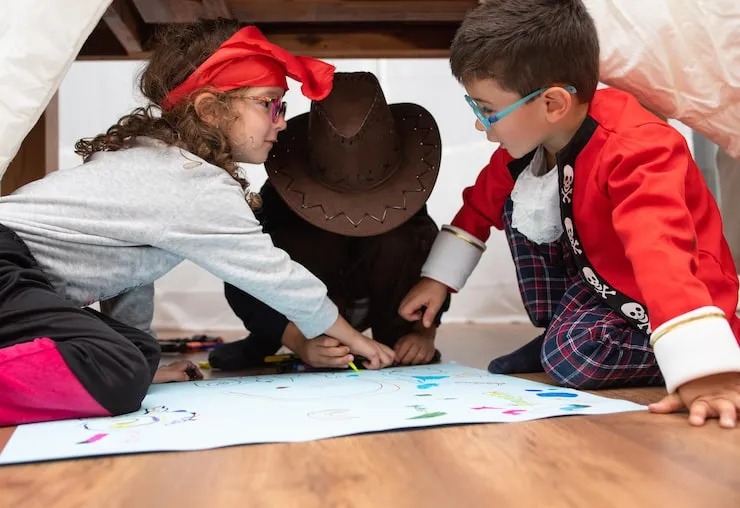
Children communicate brilliantly through play. Words matter of course yet play often speaks louder. Families exploring Preschool Programs Las Vegas frequently value environments where children interact through collaborative activities and imaginative experiences. During play barriers fade surprisingly quickly. Children build together, laugh together and occasionally argue over toy dinosaurs. That is childhood. Educators guide these interactions while encouraging cooperation and kindness. Through shared experiences children develop social skills naturally. They learn to compromise empathy and teamwork while forming friendships that make school feel welcoming and enjoyable.
Open Minds Strengthen Communities
Schools influence far more than academic achievement. They shape future neighbours, friends, colleagues and leaders. Educational environments that celebrate range help children emerge as extra accommodating and thoughtful. Students learn to listen carefully and respect their unique perspectives. These skills are important everywhere. In the classrooms of the school. In the offices. In groups. Children who grow up in inclusive environments often feel more comfortable and attracted to people from many backgrounds. They recognise that there is no need to create a division of diversity. Instead, differences can strengthen communities and inspire meaningful connections.
Families Enrich Cultural Learning
Families contribute enormously to multicultural learning environments. Parents share traditions, stories, languages and personal experiences that enrich classroom life. Children feel proud when aspects of home life appear within school experiences. That sense of recognition matters deeply. Family participation also encourages stronger relationships among educator’s parents and students. School events, cultural celebrations and everyday conversations create opportunities for connection. Children notice these interactions. They see adults learning from one another and understand that cultural exchange is valuable. Learning becomes something shared by an entire community.
Conclusion
Multicultural exercise research helps to broaden empathy for children’s interests while increasing their understanding of the world around them. Exposure to individual perspectives strengthens social enthusiasm and encourages meaningful relationships. Children grow up when every historical past is appreciated and celebrated. Families interested in inclusive educational opportunities can visit ncaus.education to explore programs designed to encourage lifelong learning and nurture compassionate globally minded young innovators.
