
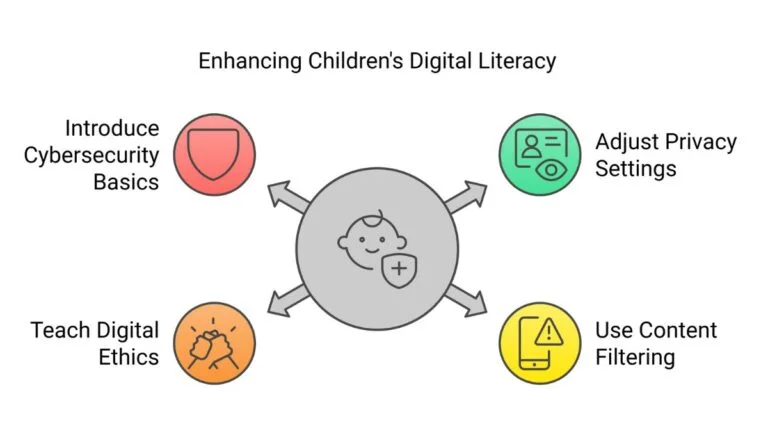
Veer Game is a keyword that users may encounter while researching online gaming topics. This SEO-friendly guide focuses on family digital safety guide, privacy, information quality, and responsible digital habits. It is designed to help readers understand how to evaluate unfamiliar online content without encouraging gambling, deposits, wagering, registration, or other age-restricted activity. Online gaming can include very different types of experiences, so users should understand what a website offers before interacting with it. Safety, transparency, age suitability, and reliable information are more important than promotional promises.
Healthy Screen-Time Habits
Online gaming and browsing should fit around everyday responsibilities rather than replace them. Long sessions can affect sleep, study, exercise, concentration, and time with family or friends. Setting a reasonable stopping time before beginning an activity can make it easier to maintain balance.
Regular breaks are useful for both physical comfort and attention. Users can also disable unnecessary notifications so that online activities do not constantly interrupt schoolwork or rest. Healthy digital habits are not about avoiding technology; they are about using it in a way that remains manageable, age-appropriate, and compatible with other important parts of life. In the context of Veer Game research, this principle helps readers make more informed and cautious online choices.
Safer Account Practices
Strong account security starts with a unique password that is difficult for another person to guess. Passwords should not be shared with friends or strangers, and verification codes should remain private. When additional authentication is available, it can help protect an account even if a password is exposed.
Users should also be cautious about login pages reached through unexpected messages. Phishing pages can imitate familiar websites in order to collect credentials. Instead of following a suspicious link, it is safer to navigate through a known official source. Account activity should be reviewed if there is any sign of an unfamiliar login or unexpected password-reset message. In the context of Veer Game research, this principle helps readers make more informed and cautious online choices.
Avoiding Unsafe Downloads
Unexpected files can carry security risks, especially when they come from unfamiliar websites, shortened links, or messages from unknown accounts. Users should not install software merely because a page claims that it is required to continue. Official app stores and verified publishers are generally safer sources for legitimate software.
Before downloading anything, check the publisher, file type, requested permissions, and whether the software is actually necessary. A program that asks for excessive permissions or attempts to disable security features should be treated with caution. Keeping backups of important files can also reduce the impact of device problems. In the context of Veer Game research, this principle helps readers make more informed and cautious online choices.
How to Compare Information
Good online research uses more than one source. When reading about Veer Game, users can compare the same claim across independent publications and check whether the information is current. If several pages repeat identical promotional wording, they may not represent separate confirmation of the claim.
Readers should prioritize specific evidence over vague statements. Dates, named sources, transparent policies, and clearly explained limitations make information easier to evaluate. If reliable sources disagree, it is better to acknowledge the uncertainty than to choose the most exciting version of the story. In the context of Veer Game research, this principle helps readers make more informed and cautious online choices.
What to Do When Something Looks Wrong
If a website appears suspicious, the safest immediate action is to stop interacting with it. Do not enter passwords, provide payment information, download unknown files, or approve unexpected permissions. Closing the page can prevent a questionable situation from becoming a larger problem.
If login information has already been entered, the affected password should be changed from a trusted device. If financial or identity information may have been exposed, a trusted adult or the relevant service provider can help determine appropriate next steps. Screenshots or message records may also be useful when reporting suspected fraud or impersonation. In the context of Veer Game research, this principle helps readers make more informed and cautious online choices.
Building Better Digital Habits
Digital safety becomes easier when it is part of a normal routine. Users can regularly update devices, review account settings, remove unused applications, check privacy permissions, and keep important passwords unique. These small actions reduce reliance on last-minute decisions when a suspicious situation appears.
Critical thinking is equally important. Users should ask who created a page, what the creator wants the reader to do, and what evidence supports the claims being made. This habit is useful far beyond gaming because the same skills apply to social media, shopping, downloads, messages, and many other online activities. In the context of Veer Game research, this principle helps readers make more informed and cautious online choices.
Understanding the Search Term
Veer Game is a term that people may encounter in search engines, social media, discussion pages, or online gaming content. A search phrase can lead to many kinds of pages, including informational articles, advertisements, reviews, and user discussions. The presence of a page in search results does not automatically establish its quality, safety, or suitability. Readers should identify the publisher, purpose, and date of the information before relying on it.
A useful first step is to separate factual information from marketing language. Informational material normally explains a topic, identifies limitations, and avoids unrealistic promises. Promotional material may focus heavily on benefits while giving less attention to risks. Understanding this difference helps readers make more careful decisions and reduces the chance of trusting a claim simply because it appears confident or professional. In the context of Veer Game research, this principle helps readers make more informed and cautious online choices.
Why Digital Safety Matters
Digital safety is important whenever a person explores an unfamiliar website or online service. Modern websites can request permissions, collect information, display advertisements, or direct visitors to other pages. Users should therefore pay attention to browser warnings, unexpected redirects, unusual pop-ups, and requests for information that does not seem necessary.
Keeping a browser, operating system, and security features updated can reduce common risks. It is also sensible to avoid installing unknown files or applications from unverified sources. If a page suddenly asks for a download, payment detail, password, or verification code, users should stop and check whether the request is legitimate before continuing. In the context of Veer Game research, this principle helps readers make more informed and cautious online choices.
Protecting Personal Information
Personal information should be treated carefully online. Names, phone numbers, home addresses, identity documents, passwords, payment details, and one-time verification codes can create serious privacy or security problems if they reach the wrong person. An unfamiliar service should never receive sensitive information simply because it asks for it.
Users can improve privacy by sharing only information that is genuinely necessary, reviewing privacy settings, and avoiding public disclosure of personal details. Unique passwords are also important because reusing the same password across many services can allow one security incident to affect several accounts. Additional account verification can provide another layer of protection where it is available. In the context of Veer Game research, this principle helps readers make more informed and cautious online choices.
Recognizing Suspicious Claims
Online scams often depend on urgency, excitement, or unrealistic promises. Warning signs can include claims of guaranteed financial results, unusually large rewards, pressure to act immediately, requests to transfer money to a personal account, or messages asking for a password or security code. A polished design does not remove these risks.
Readers should slow down when a claim seems unusually attractive. Checking several independent sources can reveal whether the same information is supported elsewhere. It is also helpful to inspect spelling, contact information, domain details, and the overall consistency of a page. When important facts cannot be verified, the safer choice is not to proceed. In the context of Veer Game research, this principle helps readers make more informed and cautious online choices.
Frequently Asked Questions
Is every search result for Veer Game trustworthy?
No. Search visibility does not guarantee safety, accuracy, legality, or suitability. Each source should be evaluated independently.
Should users share personal information with an unfamiliar gaming website?
Sensitive information should not be shared casually. Users should first verify why the information is needed, how it will be protected, and whether the service is legitimate and age-appropriate.
Can online gaming involve financial risk?
Yes. Some services involve real money or gambling-related features. These can result in financial loss and may be subject to age restrictions and local laws.
How can users research gaming information more safely?
Compare several independent sources, check publication dates and disclosures, avoid suspicious downloads, and separate factual information from promotional claims.
What should a young person do if a page asks for money or gambling participation?
They should not participate in age-restricted gambling activity and should speak with a trusted adult if they are unsure about a website or request.
Conclusion
Veer Game should be researched with the same care used for any unfamiliar online gaming term. The key lessons in this family digital safety guide guide are to verify sources, protect personal information, maintain strong account security, avoid suspicious downloads and financial requests, and recognize that some gaming-related services can be age-restricted. Young users should avoid gambling and other restricted activities. By combining critical thinking with healthy screen-time habits and sensible privacy practices, readers can explore online information more safely. A responsible approach does not depend on promotional claims; it depends on evidence, appropriate boundaries, and careful digital decisions.
