
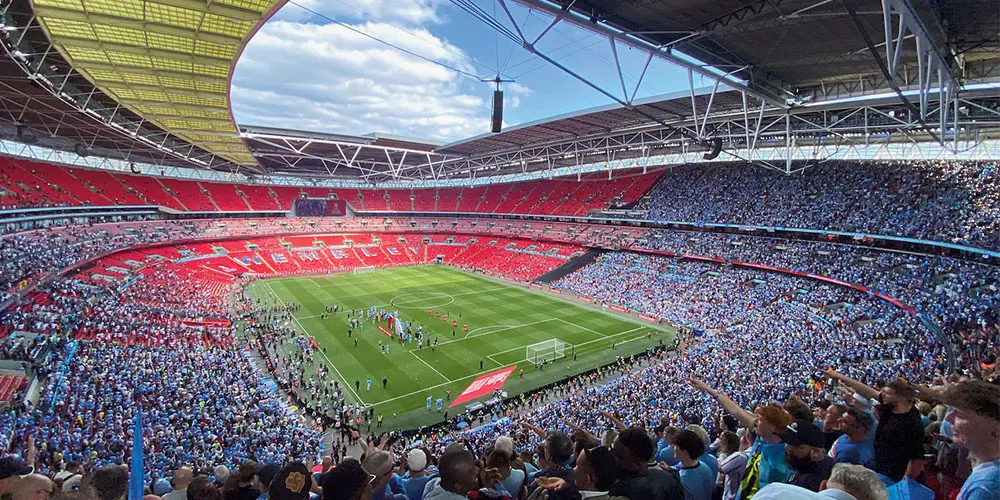
Football has become a truly global viewing experience. A supporter in Asia may follow the English Premier League, UEFA Champions League, La Liga, Serie A, and international competitions during the same week. The challenge is no longer simply finding a team to support. It is keeping track of when every important match actually takes place.
Different time zones, changing schedules, cup competitions, international breaks, and broadcaster arrangements can make football viewing surprisingly complicated. This is why match schedules and organized football information have become essential tools for modern fans.
Why Football Schedules Matter More Than Ever
Major European clubs often participate in several competitions simultaneously. A Premier League team, for example, may play a domestic league match during the weekend, a European fixture in midweek, and a domestic cup match shortly afterward.
Supporters therefore need to distinguish between league fixtures, European competitions, domestic cups, international matches, rescheduled games, and friendly matches.
For Korean audiences following several competitions at once, organized 스포츠중계 information can provide a useful reference for comparing match schedules, kickoff times, and general broadcast details without checking each competition separately.
A reliable schedule helps viewers plan ahead instead of searching for information immediately before kickoff.
Time Zones Create an Additional Challenge
International football audiences frequently watch leagues played thousands of kilometers away.
A match scheduled for the evening in London may begin late at night in Seoul. Games played in Spain, Italy, Germany, and France also have different kickoff patterns.
Fans should therefore check schedules using their own local time zone whenever possible.
This is especially important when following competitions such as the Premier League, UEFA Champions League, UEFA Europa League, La Liga, Bundesliga, Serie A, and Ligue 1.
A centralized schedule makes it much easier to understand which games are happening on a particular day.
Match Information Should Go Beyond Kickoff Time
A useful football guide should provide more than a date and time.
Fans often want to know who is playing, which competition is involved, where the match takes place, which broadcaster carries the event, and whether the fixture has recently changed.
Having this information together improves the overall viewing experience.
Overseas Football Is Now Part of Everyday Sports Viewing
International leagues are no longer followed exclusively by local supporters. European football attracts large audiences throughout Asia, North America, Africa, and the Middle East.
Korean football fans, for example, regularly follow Premier League clubs, UEFA competitions, and major European players.
For viewers who specifically want Korean-language information about international fixtures and European competitions, 해외축구중계 resources can be another useful reference when checking upcoming matches, local kickoff times, and relevant sports coverage.
The important point is to confirm the actual schedule and available broadcasting information rather than relying on outdated social posts or unofficial calendars.
How to Build a Simple Weekly Football Routine
Fans following several competitions can make the process much easier by creating a weekly routine.
At the beginning of each week, check league fixtures, review European competition schedules, note important matches, convert kickoff times to the local time zone, and confirm broadcaster information closer to matchday.
This takes only a few minutes but prevents missed games.
Mobile Devices Have Changed Match Discovery
Football fans increasingly check schedules from smartphones rather than desktop computers.
A useful sports page therefore needs to be simple and mobile friendly.
Important information should be visible without requiring users to navigate through multiple pages. Match date, kickoff time, competition, participating teams, and broadcaster details should be easy to identify.
Notifications and calendar reminders can also help supporters remember games beginning late at night or early in the morning.
Why Updated Information Matters
Football schedules are not completely static.
Fixtures can change because of television scheduling, cup participation, weather, stadium availability, international competitions, and tournament progression.
A schedule published months earlier may therefore become inaccurate.
Fans should check again shortly before the match, particularly for high-profile competitions.
Following Several Leagues Without Information Overload
There is more football available than anyone can realistically watch.
Instead of attempting to follow every match, supporters can prioritize their favorite club, major rivalry matches, title races, European knockout rounds, international tournaments, and games involving favorite players.
A structured sports schedule makes this filtering much easier.
Final Thoughts
Modern football gives supporters access to more leagues and competitions than ever before, but that also creates an information challenge.
Fans who organize fixtures, understand time-zone differences, and verify broadcast information can enjoy international football without constantly searching for match details.
The best approach is simple: plan early, confirm close to kickoff, and use reliable sports information sources to keep the entire week organized.
