
For the power-conversion decision at the center of a home solar project, the household, installer and future service technician need to identify who notices a problem and what happens next. That review should cover maintenance access, alarms and service responsibilities, because the ultimate objective involves comfort, verifiable energy savings, electrical safety and long-term maintainability. A promising technical specification is only the beginning of an infrastructure decision. Conditions at the actual site determine which benefits can be verified. A good plan links these practical questions to tests, documented responsibilities and realistic site conditions.
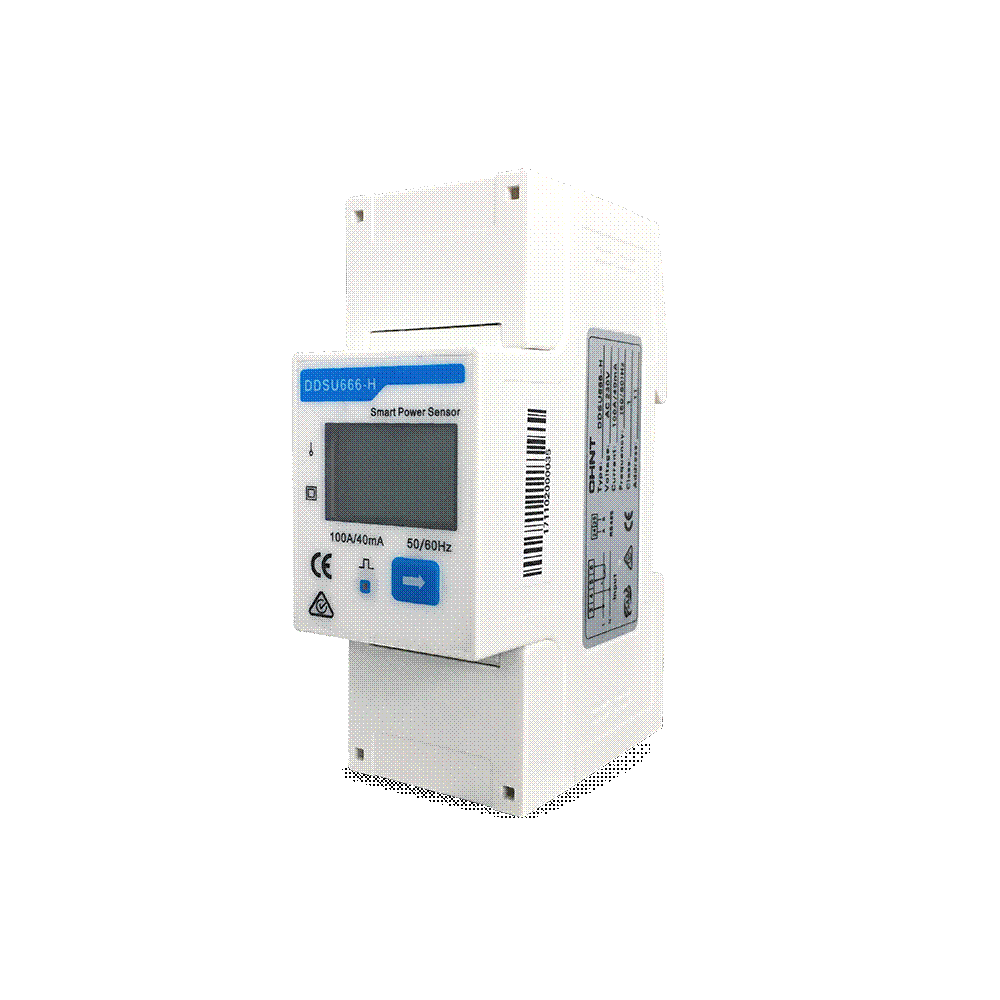
Give monitoring a purpose
A dashboard is valuable when it helps someone spot unexpected consumption, check production trends or recognise a device fault. Useful alerts need a practical response path rather than an endless stream of notifications.
Conversion performance
Efficiency varies with operating conditions; real production estimates should consider part-load operation and temperature. This is also a useful point to identify the maintenance team, the safety procedure and the records needed during a future fault.
Roof and electrical constraints
Available roof planes, shading, structural capacity and the condition of the distribution board set boundaries for any proposed installation. A survey should record these limits before equipment is selected.
Service planning
Software support, warranties and a documented replacement path reduce uncertainty over a long operating life. This is also a useful point to identify the maintenance team, the safety procedure and the records needed during a future fault.
An early design discussion can use solar inverter for home to identify relevant equipment categories, then confirm which functions are appropriate for this particular installation and its local rules.
Electrical compatibility
DC input range and household AC connection must suit the proposed array and supply. The responsible team should keep evidence of the assumptions and explain which conditions would trigger a design review.
Safety functions
Protective disconnection, monitoring and safe maintenance access matter more than a single specification headline. Any related promise should be linked to a documented test method and to the operating conditions for which it applies.
A maintenance plan may also refer to solar inverter for home while setting up service records, technician training and safe intervention procedures.
Battery connection
Storage integration can require particular interfaces or additional equipment; compatibility should be verified. The responsible team should keep evidence of the assumptions and explain which conditions would trigger a design review.
Monitoring access
Clear consumption and generation views help homeowners recognize abnormal behavior. The owner can ask the designer to identify the measurement that would confirm this expectation after the system is commissioned.
For a solar inverter for home, the decisive question is whether the specified functions can be supported by site evidence, safe procedures and an accountable operating model. Each requirement should be reviewed against the actual project, not assumed to apply everywhere.
What the operating team needs
Before the work is accepted, operators should know the normal indicators, the first response to an alarm and where to find current diagrams. A workable handover is an operational asset.
